
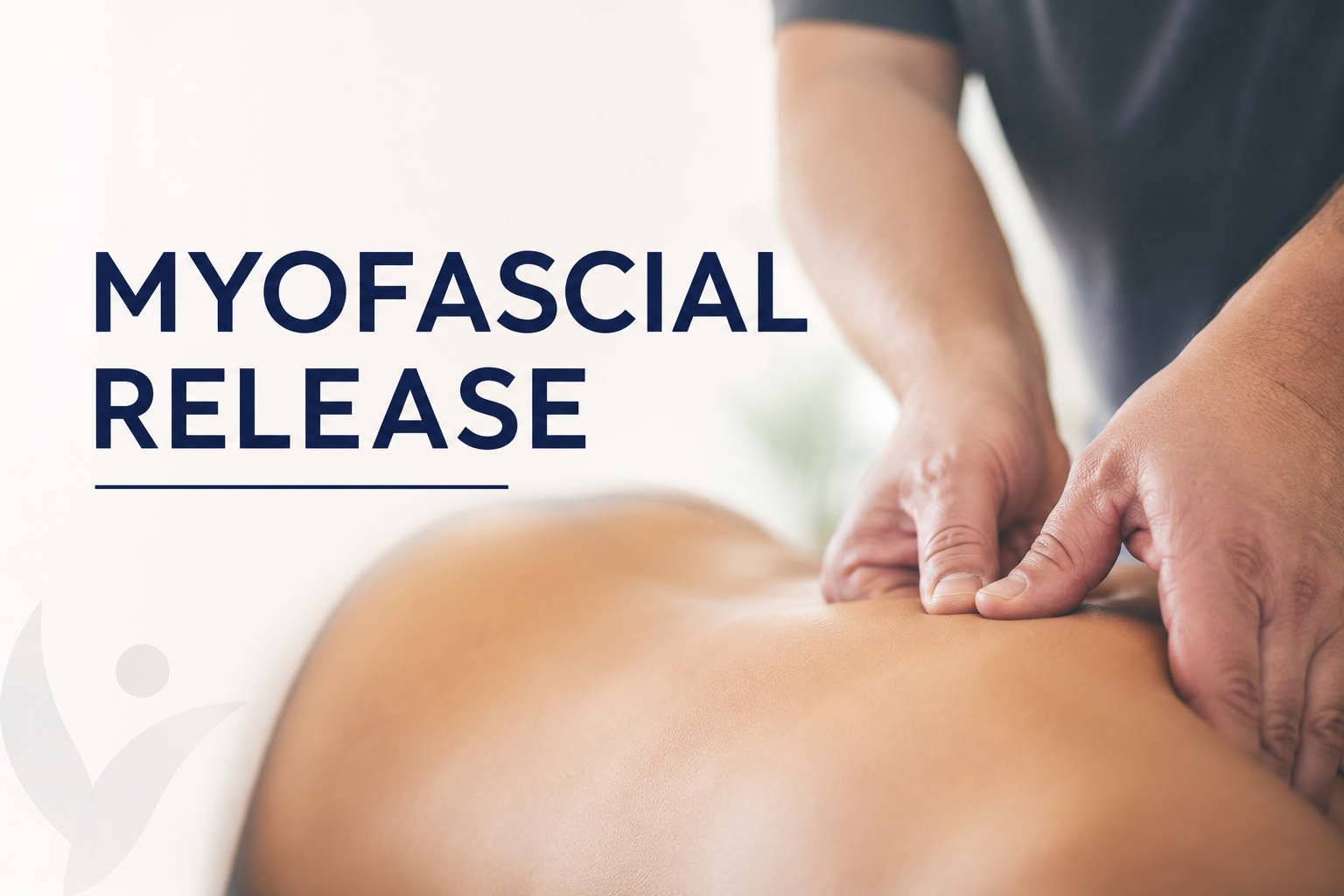
Why Fascia Health Is Becoming One of the Biggest Wellness Trends of 2026
In recent years, the conversation around recovery, movement, and long-term health has changed dramatically. More people are beginning to understand that pain and stiffness are not always caused by muscles alone. Increasingly, attention is turning toward the body’s fascia system and, with it, the growing popularity of Myofascial Release therapy.
At Bea Sports Injury Clinic, we’ve seen a huge rise in people seeking treatment for tension, mobility restrictions, posture-related discomfort, stress-related tightness, and persistent pain that traditional stretching alone often fails to resolve.
But why is fascia suddenly such a hot topic in health and wellness circles?
What Exactly Is Fascia?
Fascia is a thin but incredibly strong web of connective tissue that surrounds and supports every muscle, joint, organ, nerve, and structure throughout the body. Think of it as the body’s internal support network.
When healthy, fascia is flexible, hydrated, and allows smooth, pain-free movement.
However, factors such as:
- Stress
- Poor posture
- Injury
- Repetitive movement
- Sedentary lifestyles
- Intense training
- Lack of recovery
- Hybrid desk working
can all cause fascia to tighten and restrict movement.
This can lead to:
- Ongoing muscular tension
- Reduced mobility
- Chronic aches and pains
- Headaches
- Poor posture
- Reduced athletic performance
- Increased injury risk
Why Myofascial Release Is Trending in 2026
One of the biggest shifts in modern wellness is the move away from simply “treating pain” toward improving whole-body function and recovery.
Myofascial Release is becoming increasingly popular because it focuses on the root cause of tension and restriction, not just the symptoms.
Across social media, fitness communities, and rehabilitation clinics, fascia health is now regularly discussed alongside:
- Recovery optimisation
- Nervous system regulation
- Mobility training
- Breathwork
- Stress management
- Longevity and healthy ageing
- Active recovery routines
Athletes, runners, gym-goers, office workers, and even people struggling with stress-related tension are all discovering the benefits of improving fascial mobility.
The Hidden Impact of Desk Life and “Tech Neck”
One of the biggest modern contributors to fascial restriction is prolonged screen time and desk-based working.
Many people now spend hours every day:
- Looking down at phones
- Sitting at laptops
- Driving long distances
- Working from home with poor posture
This creates a pattern of tension often referred to as “tech neck” or postural fatigue.
Symptoms commonly include:
- Tight shoulders
- Neck stiffness
- Lower back pain
- Tension headaches
- Hip tightness
- Reduced movement
Myofascial Release helps gently restore balance to these overworked areas by releasing restrictions and improving overall movement quality.
Recovery Is No Longer Just for Athletes
Another major trend in 2026 is the understanding that recovery is for everyone, not just elite athletes.
Modern lifestyles place huge physical and mental demands on the body, even if you don’t play sport professionally.
More people are now prioritising:
- Better sleep
- Stress reduction
- Improved mobility
- Injury prevention
- Recovery between workouts
- Long-term movement health
This is one reason therapies like Myofascial Release, sports massage, and rehabilitation are becoming increasingly mainstream.
Myofascial Release and the Nervous System
A growing area of interest within therapy and wellness is how manual treatments influence the nervous system.
Many clients report feeling:
- Deep relaxation
- Reduced stress levels
- Improved breathing
- Better sleep
- Mental clarity
- Reduced anxiety-related tension
Because Myofascial Release uses slow, sustained pressure rather than aggressive force, many people find it both physically effective and deeply calming.
Who Can Benefit From Myofascial Release?
At Bea Sports Injury Clinic, Myofascial Release may help people experiencing:
- Sports injuries
- Muscle tightness
- Poor posture
- Reduced flexibility
- Chronic pain
- Recovery from training
- Stress-related tension
- Mobility issues
- Persistent stiffness
- Repetitive strain problems
Whether you’re an athlete, office worker, performer, runner, gym enthusiast, or simply feeling stiff and uncomfortable, treatment can be tailored specifically to your needs.
Combining Modern Recovery With Expert Hands-On Care
One of the biggest wellness trends right now is combining modern technology with expert human treatment.
Wearables and fitness apps can track movement, sleep, stress, and recovery, but they cannot physically assess tissue quality, posture, or movement restrictions.
That’s why hands-on therapies like Myofascial Release continue to grow in popularity. They provide personalised treatment that technology alone cannot replace.
At Bea Sports Injury Clinic, we combine evidence-based therapy, movement understanding, and a holistic approach to help clients move better, recover smarter, and feel healthier long term.
Final Thoughts
Fascia health is no longer a niche topic reserved for athletes and therapists. It is quickly becoming one of the biggest conversations in modern recovery and wellbeing.
As more people recognise the importance of mobility, recovery, posture, and stress management, therapies like Myofascial Release are moving firmly into the mainstream.
If you’ve been struggling with tension, pain, stiffness, or movement restrictions, Myofascial Release could help restore balance, improve mobility, and support your long-term wellbeing.
Book Your Appointment
To learn more about Myofascial Release or book a treatment with our team, visit: