
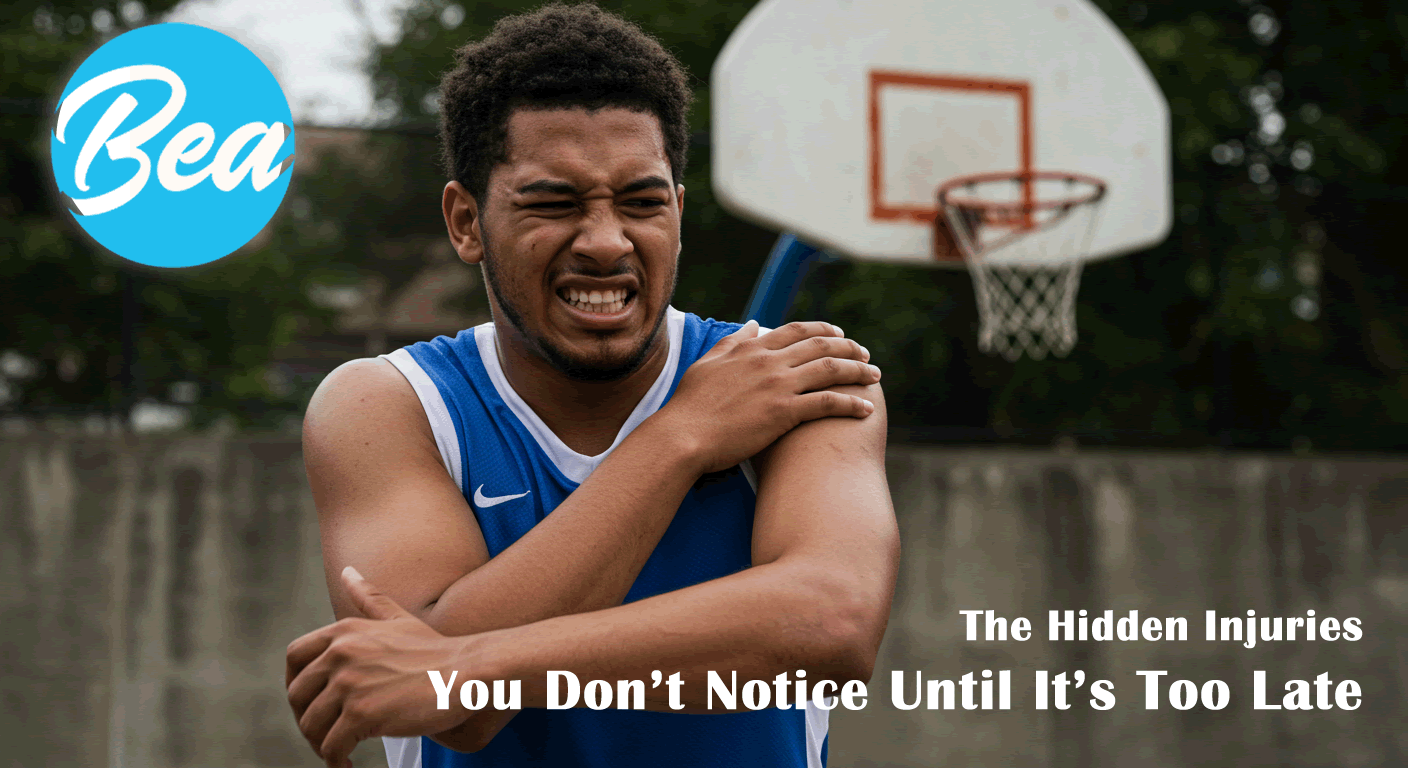
When you think of a sports injury, what comes to mind? For most people, it’s the dramatic moment: a pulled hamstring mid-game, an ankle rolled on a trail run, or a sharp twinge that forces you to stop training instantly.
But here’s the truth: many injuries don’t happen in a single moment. They creep up on you slowly, quietly, until one day they’re impossible to ignore. These are what we call the “hidden injuries.”
At Bea Sports Injury Clinic, we see them every week and the good news is, with the right awareness and support, you can prevent them from becoming long-term problems.
Everyday Habits That Lead to Hidden Injuries
Hidden injuries often develop from the things you don’t think of as risky. Here are some examples:
1. Old Injuries That Never Quite Healed
Think back, did you twist an ankle playing football years ago, or pull a muscle running and just “rest it off”? Without proper rehabilitation, that area often stays weaker. The result? Your body compensates, putting strain elsewhere and making new injuries more likely.
2. Posture and Lifestyle Strain
You don’t need to be an athlete to develop hidden injuries. Hours spent sitting at a desk, carrying bags on one shoulder, or slouching over a phone can cause lasting tension in the back, shoulders, and neck. When left uncorrected, these habits create stiffness and pain that slowly chip away at your mobility and performance.
3. Repetition Without Balance
Whether it’s running, cycling, or weightlifting, repeating the same movements puts certain muscles and joints under constant stress. Without variety in training or proper recovery, you’re more likely to experience overuse injuries like tendonitis.
4. Muscle Imbalances
Most of us have a “strong side”, the foot we always kick with, the arm we always throw with. Over time, this uneven load leads to imbalances. They might not hurt at first, but eventually, they catch up with you.
Warning Signs You Might Be Ignoring
Not every injury screams for attention. In fact, the early warning signs are often easy to brush off:
-
Dull aches after activity that linger longer than usual
-
Morning stiffness or feeling “creaky” when you first get moving
-
Clicking, grinding, or a sense of weakness in joints
-
A recurring twinge that flares up when training intensifies
-
Reduced flexibility or range of movement without a clear cause
If any of these sound familiar, your body could be telling you something.
Why Early Action Matters
Leaving hidden injuries unchecked can lead to:
-
Reduced performance in your sport or everyday activities
-
Greater risk of sudden, more severe injury
-
Longer recovery times if the issue escalates
-
Ongoing pain that interferes with sleep, work, or enjoyment of exercise
The earlier these problems are addressed, the quicker and easier they are to resolve. Think of it like servicing your car, it’s always cheaper and less stressful to fix a small problem before it turns into a breakdown.
How Bea Sports Injury Clinic Can Help
At Bea Sports Injury Clinic, we specialise in spotting and treating the issues you can’t always see. Through a mix of sports massage, targeted rehabilitation, and tailored treatment plans, we don’t just ease the pain. We work on the root cause to restore strength and prevent injuries from returning.
We also offer guidance on posture, movement, and recovery strategies you can use every day to keep your body performing at its best.
Don’t Wait Until It’s Too Late
Your body is always giving you clues. The question is: are you listening?
👉 If you’re living with aches, stiffness, or the ghost of an old injury, now is the time to act. Book an appointment at Bea Sports Injury Clinic and let’s stop those hidden injuries before they become bigger problems.