
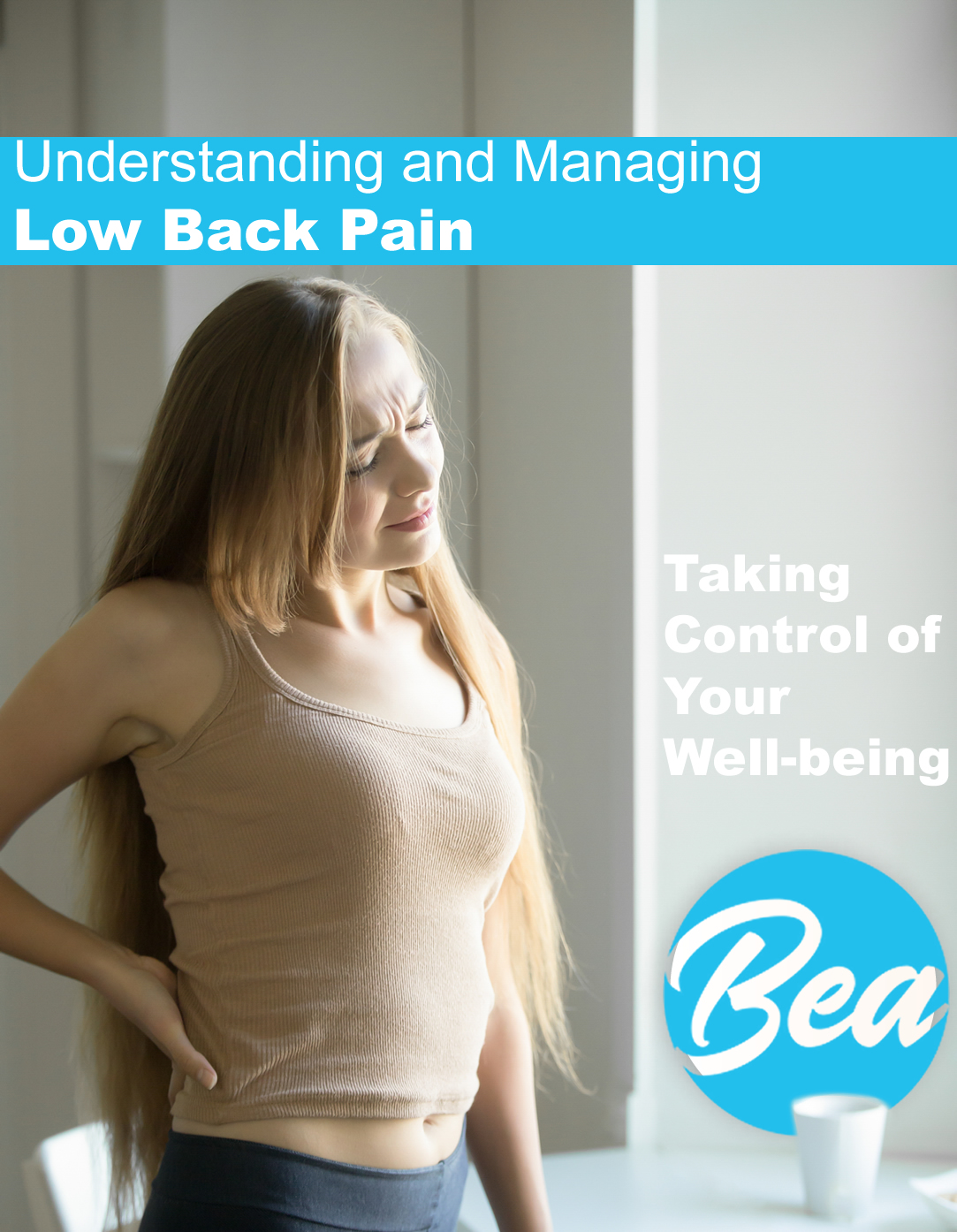
Understanding and Managing Low Back Pain: Taking Control of Your Well-being
Almost everyone has experienced low back pain at some point. Whether it’s a sudden, sharp pain after an ordinary movement or a more persistent discomfort that just won’t go away, low back pain can be both alarming and disruptive. It can interfere with your daily life, work, and activities, often causing severe stiffness, limited movement, and sometimes even pain that radiates down your leg—commonly known as sciatica or lumbar radiculopathy.
Common but Rarely Serious
While low back pain is common, it’s important to remember that serious or permanent damage is rare. Your spine is strong and built to move, bend, and lift. Understanding how to manage and respond to back pain is often more crucial than finding an exact diagnosis or specific treatment. The spine is a complex structure, and pinpointing the precise cause of pain can be challenging. X-rays and scans might not always provide clear answers, as pain can involve a mix of physical, mental, and emotional factors.
The Mind-Body Connection
Your mental and emotional state, along with your environment at work and home, can significantly influence your pain experience. Recognizing how your thoughts, beliefs, and past experiences impact your pain can empower you to better cope with it. Similarly, understanding how your back moves and functions can help you feel more in control. Movement is essential for your body—it improves circulation, muscle strength, and overall well-being. Prolonged inactivity, on the other hand, can lead to a negative cycle of pain, inactivity, and emotional distress.
Moving Through the Pain
When you’re in pain, it’s natural to alter your movements to avoid discomfort. However, over time, these adjustments can become unhelpful habits that may worsen your condition. You might tense up in anticipation of pain or avoid certain movements altogether, fearing further harm. It’s crucial to recognise these patterns and aim to move as freely and naturally as possible. Gentle exercises that encourage normal, relaxed movement of the spine can help break this cycle. While exercise might initially cause some soreness, it won’t cause further damage. In fact, as your back becomes stronger and more flexible, your pain should decrease, boosting your confidence and self-belief.
The Importance of Physical Activity
Staying active is key to managing back pain independently. Whether it’s through solo exercises, group classes, or activities with friends, the most important thing is to keep moving. A physical therapist can guide you through exercises that are best suited for your condition and help you stay motivated. Regular physical activity will not only strengthen your back but also improve your mood, reduce stress, and enhance your overall quality of life.
Additional Tips for Managing Back Pain
You don’t have to shy away from using pain medication, as long as it’s used appropriately and under the guidance of a healthcare professional. Simple remedies like applying heat or ice can also provide relief from pain and muscle spasms. Regular massages can further ease discomfort, promote relaxation, and reduce stress.
Daily habits, including posture, repetitive movements, and sustained positions like sitting or standing for long periods, can aggravate back pain. Making small changes—such as taking regular breaks, practicing good posture, and incorporating relaxation techniques like meditation or yoga—can make a significant difference.
Taking Control of Your Back Pain
Managing low back pain involves a combination of education, physical therapy, and lifestyle changes. Hands-on manual therapy, massage, and exercise tailored to your needs can be highly beneficial. The key is to stay active and take control of your back pain through self-care. By making the right choices and seeking the appropriate support, you can regain your independence and improve your overall quality of life.
DOWNLOAD – Our Free PDF Information Sheet – Low Back Pain and Sciatica – Bea Injury Clinic – Download
Seeking Help from Our Therapist Team at Bea Sports Injury Clinic
While managing low back pain on your own is important, sometimes you need a little extra support to get back on track. At Bea Sports Injury Clinic, our experienced therapist team is here to help you every step of the way. We understand that each person’s experience with back pain is unique, and we are dedicated to providing personalised care that meets your specific needs.
Our therapists offer a comprehensive approach to managing back pain, combining hands-on manual therapy, massage, and tailored exercise programs. Whether you’re dealing with acute pain or a more persistent issue, our team will work with you to develop a treatment plan that promotes healing, improves mobility, and enhances your overall well-being.
Need to chat to us – CONTACT US